
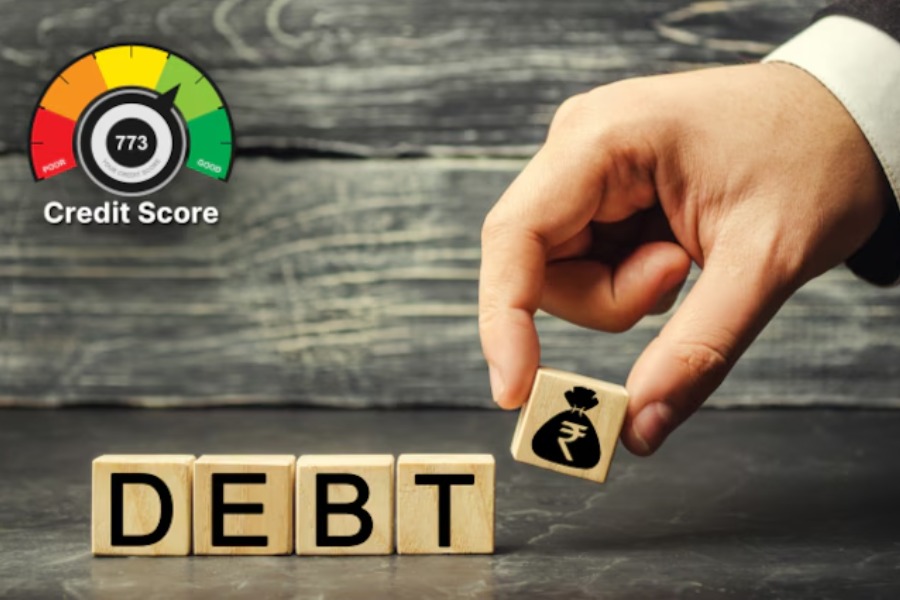
Managing loans, debt, and credit scores has never been more important. With economic uncertainties, rapid technological advances, and changing financial markets, understanding these key concepts is essential for achieving financial stability and success. Whether you’re applying for a mortgage, seeking a personal loan, or navigating credit card debt, knowing how loans, debt, and credit scores work together can help you make smarter decisions and secure better financial outcomes. In this article, we’ll explore what loans, debt, and credit scores are, how they are interconnected, and strategies for managing them effectively.
What Are Loans?
Loans are financial products that allow individuals, businesses, or organizations to borrow money from a lender with an agreement to repay the borrowed amount, often with interest, over a set period of time. Loans can come in many different forms, including personal loans, mortgages, student loans, auto loans, and business loans. Each type of loan is tailored to specific needs and comes with its own terms and conditions.
When you borrow money, you’re typically expected to repay the amount in installments over time, known as the loan term. The total amount you will repay includes the original amount borrowed (the principal) and any interest or fees charged by the lender. Interest is essentially the cost of borrowing money, and the rate at which it’s charged depends on a variety of factors, such as the type of loan, the lender’s policies, and the borrower’s creditworthiness.
The Importance of Credit Scores in Loan Approval
A credit score is a numerical representation of your creditworthiness, based on your credit history and current financial behavior. It helps lenders evaluate the risk of lending to you—essentially, it shows them how likely you are to repay a loan. Credit scores typically range from 300 to 850, with higher scores indicating better creditworthiness. The higher your score, the more likely you are to be approved for loans and secure favorable terms, including lower interest rates.
In 2025, credit scores remain a critical factor for loan approval. Lenders use credit scores as one of the key criteria in their decision-making process. Here’s a breakdown of how credit scores are generally categorized:
- Excellent (750 and above): Borrowers with scores in this range typically qualify for the best loan terms, including low-interest rates.
- Good (700-749): Borrowers with good credit scores are also likely to qualify for favorable loan terms, though the interest rates may be slightly higher than those for excellent scores.
- Fair (650-699): Borrowers with fair credit scores may still be eligible for loans but might face higher interest rates and stricter terms.
- Poor (600-649): Borrowers with poor credit may face difficulties securing loans and may be offered higher interest rates and less favorable terms.
- Very Poor (below 600): Borrowers with very poor credit may struggle to get approved for loans at all, and if they do, they will likely face very high-interest rates.
How Debt Impacts Your Credit Score
Debt plays a significant role in shaping your credit score. One of the most critical factors in calculating your score is your credit utilization, which is the ratio of your current debt compared to your available credit. For example, if you have a credit card with a $5,000 limit and you currently owe $2,000, your credit utilization is 40%. Lenders typically prefer to see a lower credit utilization rate, ideally under 30%, as it indicates that you’re not overextending yourself financially.
Debt can also impact your credit score based on payment history. If you’ve been diligent about making on-time payments, your score will benefit, while late or missed payments will negatively impact your score. The more serious the delinquency (i.e., 30 days late, 60 days late, etc.), the more it will hurt your score.
Other forms of debt, such as mortgages, auto loans, or student loans, also affect your credit score. A mix of credit types can be beneficial, as it shows lenders that you can handle various forms of debt responsibly. However, carrying too much debt can result in a higher debt-to-income ratio, making it more difficult to secure loans in the future.
The Role of Debt in Your Financial Health
While some debt, such as a mortgage or student loans, can be a useful tool for building wealth or advancing your education, excessive or mismanaged debt can negatively affect your financial health. It’s important to understand the difference between “good” debt and “bad” debt.
- Good Debt: This includes debts that can help you generate income or increase your net worth over time. Mortgages, student loans, and business loans are examples of good debt. These debts typically have lower interest rates and can be seen as an investment in your future.
- Bad Debt: Bad debt includes high-interest debt, like credit card balances and payday loans. This type of debt can be detrimental to your financial health if not managed properly, as high-interest rates can quickly accumulate and lead to significant financial stress.
Strategies for Managing Debt
Managing debt effectively is essential for maintaining a good credit score and achieving financial well-being. Here are some strategies to help you manage your debt:
1. Create a Budget
The first step to managing debt is understanding your spending habits. Creating a budget helps you track income, expenses, and debt repayments. By having a clear view of your financial situation, you can allocate funds more effectively toward paying off debt while still meeting your essential needs.
2. Prioritize High-Interest Debt
When managing multiple types of debt, prioritize paying off high-interest debt first. Credit card debt often comes with the highest interest rates, so focusing on paying off this debt can help you save money on interest in the long run. Once high-interest debts are paid off, you can shift your focus to other loans.
3. Consolidate Your Debt
If you’re managing multiple debts with varying interest rates, debt consolidation may be a viable option. Debt consolidation involves combining all your debts into a single loan with a lower interest rate. This can simplify your repayment process and reduce the amount of interest you pay over time.
4. Refinance Your Loans
If you have existing loans, refinancing may allow you to secure better terms, such as lower interest rates or a longer repayment period. Refinancing can be particularly useful for student loans or mortgages, as it can reduce monthly payments and free up cash flow.
5. Avoid Taking on New Debt
While it may be tempting to take on new loans, it’s important to avoid taking on additional debt if you already have existing obligations. Borrowing more can lead to further financial strain and negatively impact your credit score.
6. Seek Professional Help
If managing debt becomes overwhelming, consider seeking help from a credit counselor or financial advisor. These professionals can help you create a debt management plan, negotiate with creditors, and find solutions to reduce your debt burden.
The Future of Loans and Credit Scores
In 2025, we are seeing significant changes in the world of loans and credit scoring. The rise of alternative lending platforms, new credit scoring models, and evolving financial regulations are reshaping the way consumers interact with debt. As fintech innovations continue to disrupt the traditional financial sector, it’s likely that loans and credit scores will become even more personalized and accessible.
Additionally, the increasing use of artificial intelligence (AI) and big data is allowing lenders to assess a broader range of financial behaviors, moving beyond traditional credit scores to determine loan eligibility. This could lead to more inclusive lending practices, particularly for individuals who have been traditionally underserved by the financial system.
Conclusion
Loans, debt, and credit scores are critical components of personal finance, and understanding how they work together can help you make better financial decisions. While debt can be a useful tool when managed responsibly, it’s essential to stay on top of your financial obligations and monitor your credit score. By creating a budget, paying off high-interest debt, and considering options like refinancing or debt consolidation, you can work toward financial stability and secure better loan terms in the future. With advancements in financial technology, the future of loans and credit scoring looks more promising, offering greater opportunities for financial inclusion and access to credit.
By managing your debt wisely and maintaining a healthy credit score, you can take control of your financial future and set yourself up for long-term success.