
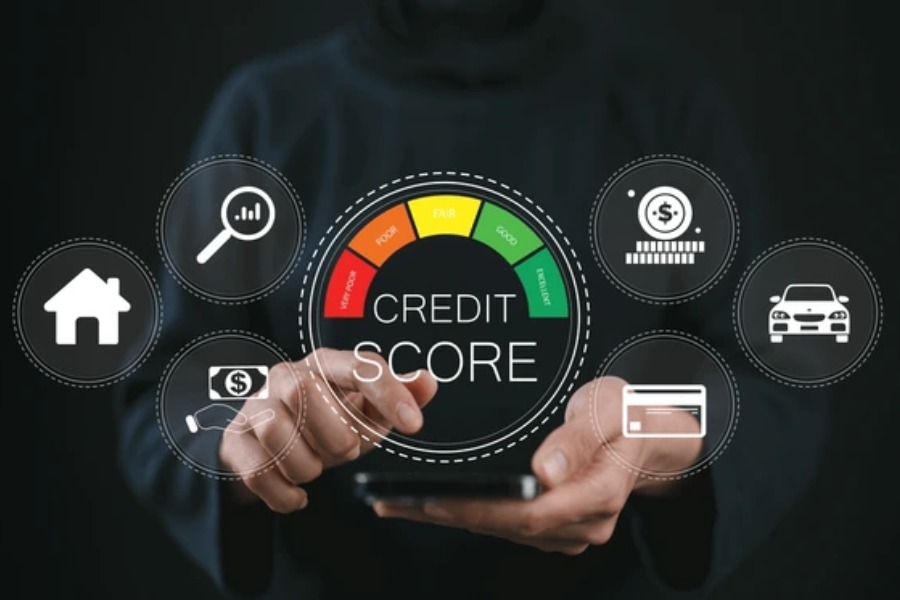
Credit scores are one of the most important factors affecting your financial life. Whether you’re applying for a loan, renting an apartment, or even seeking employment, your credit score can have a significant impact on the decisions others make about you. Despite this, many people still don’t fully understand what a credit score is, how it’s calculated, or how it can be improved.
In this article, we will delve into the world of credit scores, explain their importance, discuss how they are calculated, and offer tips on how to maintain or improve your credit score for better financial health.
What is a Credit Score?
A credit score is a numerical representation of your creditworthiness, which indicates how likely you are to repay borrowed money based on your past financial behavior. Lenders use this score to assess the risk of lending you money, and it plays a key role in determining the terms of loans, including the interest rate.
Credit scores typically range from 300 to 850, with higher scores indicating better creditworthiness. Here’s a breakdown of the common score ranges:
- 300-579: Poor
- 580-669: Fair
- 670-739: Good
- 740-799: Very Good
- 800-850: Excellent
A higher score usually means you’re more likely to be approved for loans, credit cards, and other financial products, and you may receive more favorable interest rates and terms.
Why is Your Credit Score Important?
Your credit score affects many aspects of your financial life. Here are a few key reasons why it matters:
- Loan Approval and Interest Rates
When you apply for a mortgage, car loan, or personal loan, your credit score is one of the primary factors lenders consider. A high credit score increases your chances of loan approval, while a low score could lead to rejection. Even if you’re approved, a poor score might result in higher interest rates, meaning you’ll pay more in interest over the life of the loan. - Renting an Apartment
Landlords often check credit scores to determine whether potential tenants are financially responsible. A poor credit score could make it more difficult to secure a rental, and you may be required to pay a higher security deposit. - Insurance Premiums
In some cases, insurance companies use credit scores to determine premiums for auto or home insurance. A lower credit score may result in higher premiums, as insurers may perceive you as a higher risk. - Employment Opportunities
While not as common, some employers check credit scores as part of their hiring process, especially for roles that involve financial responsibilities. A low score could raise concerns about your financial stability or reliability. - Credit Card Approval and Terms
Credit card companies also use your score to assess your risk as a borrower. A high score may qualify you for cards with better rewards, higher limits, and lower interest rates. Conversely, a low score might restrict you to cards with high fees and interest rates.
How Is Your Credit Score Calculated?
Your credit score is calculated based on several key factors that reflect your financial habits. The most common scoring models are FICO and VantageScore, and they generally use the same factors but may weigh them slightly differently. Here’s an overview of the factors that contribute to your credit score:
- Payment History (35%)
Your payment history is the most significant factor in your credit score. It includes information about your past payments, such as whether you’ve paid your bills on time, missed any payments, or had any accounts sent to collections. A history of on-time payments will help improve your score, while missed payments and defaults will lower it. - Credit Utilization (30%)
Credit utilization refers to the ratio of your current credit card balances to your credit limits. It’s recommended to keep your credit utilization below 30%. For example, if your credit card limit is $10,000, try not to carry a balance of more than $3,000. A lower utilization rate shows that you’re using credit responsibly and not relying too heavily on borrowed funds. - Length of Credit History (15%)
The longer your credit history, the better it is for your score. A long credit history provides lenders with more information about how you’ve managed credit over time. If you have older accounts that are still open, it can help improve your score, so it’s generally advisable not to close old accounts unless necessary. - Types of Credit Used (10%)
Your credit mix refers to the variety of credit types you have, including credit cards, mortgages, student loans, and auto loans. A diverse mix of credit types can positively impact your score, but it’s not necessary to have all types of credit to achieve a high score. - New Credit (10%)
When you apply for new credit, a hard inquiry is made on your credit report, which can temporarily lower your score. Opening multiple new accounts in a short period can signal financial instability and negatively impact your score. It’s best to avoid applying for too many new credit accounts within a short time.
How to Improve Your Credit Score
Improving your credit score takes time and effort, but the rewards are worth it. Here are some strategies to help you boost your score:
- Pay Your Bills on Time
The most important thing you can do to improve your credit score is to make timely payments on all your accounts, including credit cards, loans, utilities, and mortgages. Consider setting up automatic payments or reminders to help avoid missed due dates. - Keep Credit Utilization Low
Try to keep your credit card balances below 30% of your available credit. If possible, pay off your balances in full each month to avoid interest charges and maintain a low utilization ratio. - Check Your Credit Report Regularly
You’re entitled to one free credit report each year from each of the three major credit bureaus (Equifax, Experian, and TransUnion). Regularly reviewing your credit report allows you to spot any errors, such as incorrect account information or fraudulent accounts, that could be hurting your score. - Don’t Close Old Accounts
Closing old credit accounts can reduce your overall credit history length and hurt your credit score. Instead, keep them open, even if you don’t use them regularly. If you don’t want to carry a balance, consider keeping the account open with a zero balance. - Limit New Credit Applications
Each time you apply for credit, it generates a hard inquiry, which can lower your score. Be selective about the credit applications you submit and try to space them out over time. - Negotiate Debt Settlements
If you have outstanding debts that are impacting your credit score, consider negotiating with creditors to settle them for a reduced amount. Many creditors are willing to work with you if you’re facing financial hardship. - Consider a Secured Credit Card
If you have a low or no credit score, you might want to consider applying for a secured credit card. This type of card requires a deposit as collateral but can help you build or rebuild credit when used responsibly.
Conclusion
Your credit score is a critical component of your overall financial health. It affects your ability to secure loans, rent an apartment, and even obtain favorable insurance premiums. By understanding how credit scores work and taking proactive steps to improve yours, you can ensure better financial opportunities and lower costs in the future.
Remember, improving your credit score takes time, but with careful management of your payments, credit utilization, and other factors, you can see significant improvements that will benefit you in the long run. Take control of your credit today and pave the way to a brighter financial future.