
Your credit score plays a pivotal role in your personal finance. Whether you’re applying for a loan, leasing an apartment, or even getting a job, your credit score can be a deciding factor. But many individuals aren’t entirely sure how credit scores work or what affects them. In this article, we will dive deep into what a credit score is, how it impacts your financial life, and most importantly, how you can improve your credit score to achieve better financial opportunities.
What is a Credit Score?
A credit score is a three-digit number that represents your creditworthiness—the likelihood that you’ll repay your debts. This score is calculated based on your credit history and various financial behaviors. Credit scores typically range from 300 to 850, with higher scores indicating better creditworthiness.
Lenders, landlords, insurance companies, and even employers may use your credit score to assess your financial responsibility. A higher credit score can lead to more favorable terms for loans, lower interest rates, and better overall financial opportunities.
The Three Major Credit Bureaus
In the United States, there are three major credit bureaus responsible for collecting and maintaining credit reports:
- Equifax
- Experian
- TransUnion
Each of these bureaus uses similar methods to calculate your credit score, but the exact scoring models can vary. As a result, it’s common for your credit score to differ slightly between these bureaus, but they will all reflect a similar picture of your creditworthiness.
How is a Credit Score Calculated?
Credit scores are determined by five main factors, each with a different weight:
- Payment History (35%): Your payment history is the most significant factor in determining your credit score. It reflects whether you’ve paid your bills on time, including credit cards, loans, and mortgages. Late or missed payments can significantly harm your score.
- Credit Utilization (30%): Credit utilization is the ratio of your current credit card balances to your credit limits. If you’re consistently using a large portion of your available credit, it can suggest that you’re financially strained and may negatively affect your score. It’s recommended to keep your credit utilization below 30%.
- Length of Credit History (15%): The length of your credit history accounts for 15% of your score. A longer credit history is considered less risky because it provides more information on your borrowing and repayment habits. Closing old accounts can reduce your average credit age and potentially lower your score.
- Types of Credit (10%): The diversity of credit types you have (credit cards, mortgages, auto loans, etc.) accounts for 10% of your score. Having a mix of different types of credit can boost your score, but it’s essential to only take on credit you can manage.
- New Credit (10%): Each time you apply for a credit card or loan, a hard inquiry is made on your credit report, which can slightly lower your score. Multiple hard inquiries within a short period may signal financial distress, thus affecting your score. It’s a good idea to avoid applying for multiple credit accounts at once.
What is a Good Credit Score?
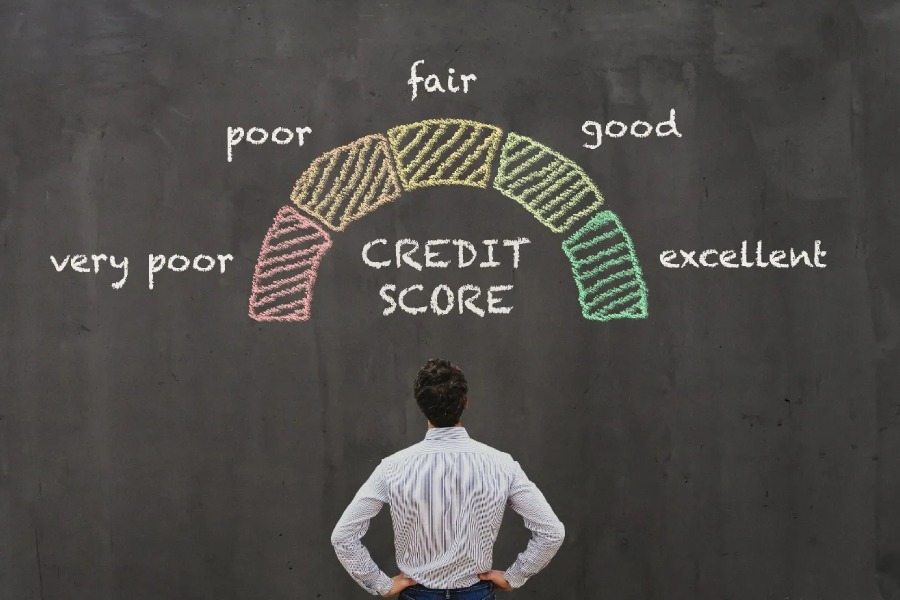
Understanding what constitutes a good credit score can help you gauge where you stand financially. Below is a breakdown of the ranges for credit scores:
- 300-579: Poor. Individuals with scores in this range may have difficulty securing loans or credit cards. High interest rates and unfavorable terms are common for borrowers with poor credit scores.
- 580-669: Fair. A score in this range suggests that while you may be able to obtain credit, you could still face higher interest rates and less favorable loan terms.
- 670-739: Good. This is the range that most lenders consider to be an acceptable credit score. Individuals with scores in this range will likely qualify for loans with reasonable terms and competitive interest rates.
- 740-799: Very Good. A score in this range demonstrates a strong credit history, making you eligible for the best loan offers, including the lowest interest rates.
- 800-850: Excellent. A score in this range is ideal and shows a solid and well-managed credit history. Individuals with excellent credit scores can secure loans with the best terms and the lowest rates.
Why is Your Credit Score Important?
Your credit score plays a crucial role in determining your financial future. Here’s why it matters:
- Loan Approvals: Whether you’re applying for a mortgage, car loan, or personal loan, your credit score is one of the primary factors lenders consider. A higher credit score increases your chances of being approved and can help you secure a loan with a lower interest rate.
- Interest Rates: If you have a low credit score, you’re considered a higher risk to lenders. As a result, you may be offered loans with higher interest rates, which can make borrowing more expensive in the long run.
- Rental Applications: Landlords may use your credit score to assess whether you’re likely to pay rent on time. A low credit score could lead to higher security deposits or even being denied a rental application.
- Insurance Premiums: Many insurance companies use credit scores to determine premiums for car and homeowners insurance. Individuals with poor credit may face higher premiums because they are perceived as a higher risk.
- Job Opportunities: Some employers may check your credit score as part of the hiring process, particularly if the job involves managing finances or handling sensitive financial information. A good credit score can reflect your ability to manage your financial responsibilities.
How to Improve Your Credit Score
Improving your credit score is possible with a consistent, disciplined approach. Here are several strategies to help boost your score:
- Pay Bills on Time: The most critical factor in improving your credit score is consistently paying your bills on time. Set up automatic payments or reminders to avoid missing due dates.
- Reduce Credit Card Balances: Paying down your credit card debt will lower your credit utilization ratio, which can help improve your score. Aim to keep your utilization below 30% and ideally closer to 10%.
- Check Your Credit Report for Errors: Errors on your credit report can negatively affect your score. Regularly review your credit report from all three bureaus and dispute any inaccuracies.
- Avoid Opening New Accounts: Each hard inquiry on your credit report can cause a small, temporary dip in your score. Opening multiple new accounts in a short period can signal financial instability, which may lower your score.
- Keep Old Accounts Open: The longer your credit history, the better. Avoid closing old accounts, even if you’re not using them, as doing so may shorten your credit history and negatively impact your score.
- Consider a Secured Credit Card: If you have a low or no credit score, a secured credit card (where you make a deposit that serves as your credit limit) can help you build positive credit history.
Conclusion
Your credit score is more than just a number—it is a key indicator of your financial health and can significantly impact your ability to borrow money, secure housing, and even gain employment. Understanding how credit scores work, what factors affect them, and how you can improve yours is essential for managing your personal finance effectively.
By making informed decisions about credit use and practicing responsible financial habits, you can build and maintain a healthy credit score that opens doors to better financial opportunities and long-term financial success.