
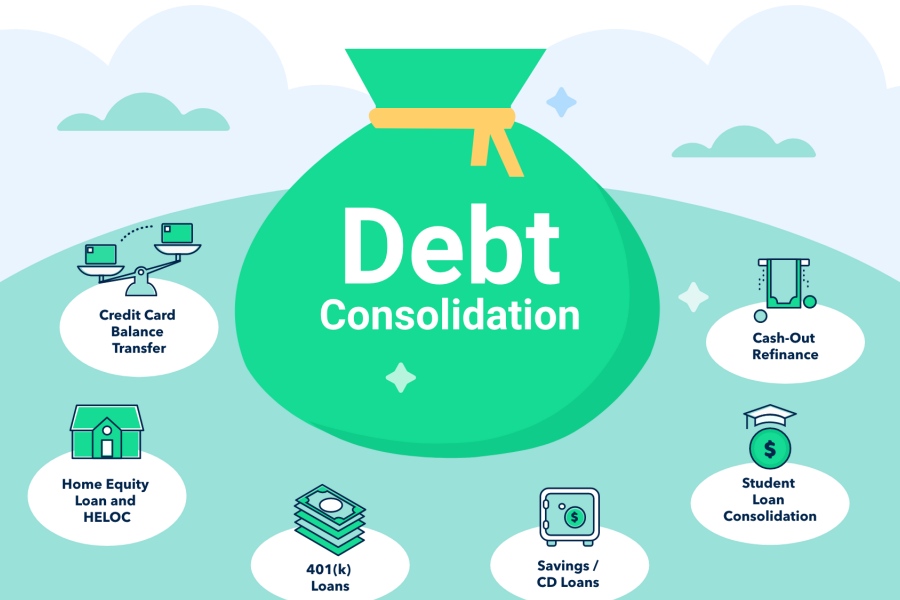
In modern times, it’s common for individuals to manage multiple loans such as credit cards, home loans, or vehicle loans. However, juggling several loan accounts can become overwhelming. Debt consolidation offers a practical solution by merging multiple debts into a single loan, simplifying repayment.
Understanding Debt Consolidation Loans
A debt consolidation loan is a financial strategy where you take out a new loan to pay off multiple existing debts. This replaces various loans with one consolidated loan, often at a lower interest rate, making repayment more manageable. The process minimizes the stress of tracking multiple EMIs, due dates, and interest rates.
Debt Consolidation vs. Debt Settlement
While debt consolidation and debt settlement might sound similar, they are distinctly different:
- Debt Consolidation: Involves taking a new loan to pay off existing loans, resulting in one unified debt. The borrower then manages a single monthly repayment.
- Debt Settlement: Involves hiring a third-party company to negotiate with creditors to settle debts for a lump-sum payment, typically less than the total owed. This approach is riskier and suitable for those in severe financial distress.
Types of Debt Consolidation
- Debt Consolidation Loan:
A personal loan designed to pay off multiple debts. Most traditional banks and private lenders offer such loans, subject to the borrower’s credit score. - Credit Card Balance Transfer:
Allows you to transfer outstanding balances from multiple credit cards to a single card, often with a promotional low-interest rate. - Student Loan Consolidation:
Combines multiple student loans into one, easing the repayment process. This is sometimes called student loan refinancing. - Home Equity Loan:
Uses your home as collateral to secure a loan at a lower interest rate. The funds can then be used to pay off existing debts.
How Debt Consolidation Loans Work
Once approved for a debt consolidation loan, the lender may either directly pay off your debts or transfer the amount to your account. This clears your existing debts, leaving you with a single loan to manage. You can adjust the repayment tenure to suit your financial situation, potentially lowering your monthly payments.
Example:
If you have four credit cards with outstanding balances totaling ₹70,000, a debt consolidation loan can combine these into one repayment plan. This simplifies your financial obligations and reduces stress.
Merits of Debt Consolidation Loans
- Simplified Repayments: Manage a single loan instead of multiple accounts.
- Fixed Monthly Payments: Easier budgeting with consistent payment amounts.
- Lower Interest Rates: Potentially save money compared to the higher rates of credit card debts.
Demerits of Debt Consolidation Loans
- Additional Costs: Fees for balance transfers or account closures.
- Collateral Requirements: Some loans, like home equity loans, require securing the loan with an asset.
- Extended Repayment: Longer tenures may lead to higher total interest paid over time.
Impact on Credit Score
Debt consolidation affects your credit score in several ways:
- Hard Credit Inquiry: Lenders perform a credit check during the application process, temporarily reducing your score.
- Improved Credit Utilization: Paying off multiple debts can boost your score over time, provided repayments are timely.
Key Considerations Before Applying
- Eligibility Requirements: Verify your credit score, income stability, and repayment capacity.
- Interest Rates and Fees: Research various lenders to find the most competitive terms.
- Root Cause of Debt: Address underlying financial habits, such as overspending, to ensure long-term success.
Tips for Successful Debt Consolidation
- Assess Financial Habits: Identify and rectify spending or budgeting issues before consolidating debts.
- Compare Options: Evaluate loan terms, interest rates, and repayment tenures to choose the best consolidation strategy.
- Stick to a Budget: Avoid taking on additional debt while repaying the consolidation loan.
Debt consolidation loans provide a streamlined solution to managing multiple debts, offering financial relief and improved focus. However, they are most effective when paired with sound financial habits and careful planning.