
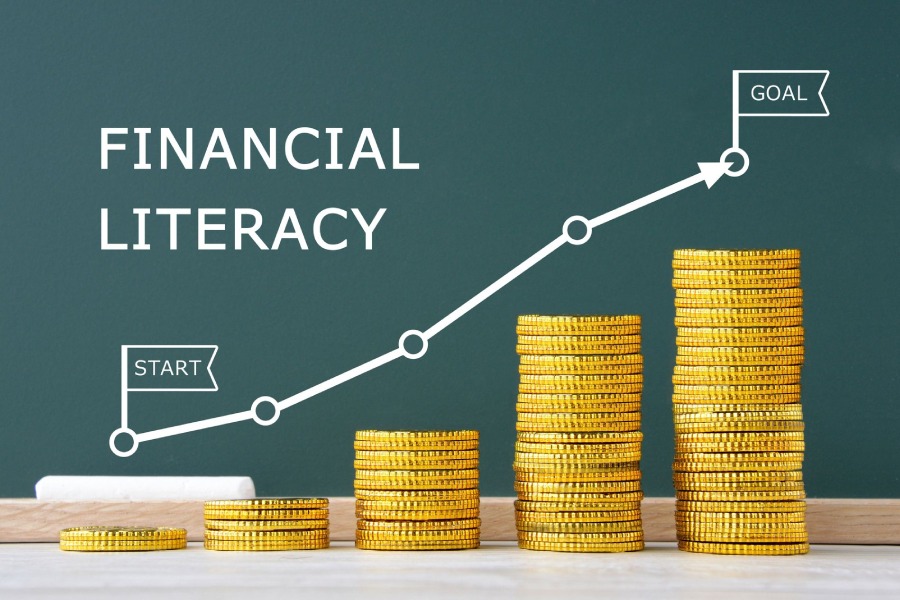
Financial literacy is a crucial life skill, yet it is often overlooked in traditional education systems. As our lives become increasingly complex, managing finances effectively is essential for achieving financial independence and long-term stability. Financial literacy empowers individuals to make informed and confident decisions about saving, investing, budgeting, and managing debt.
This article will explore the importance of financial literacy, the key components that make up financial knowledge, and how improving your financial understanding can lead to better outcomes in life. Whether you’re just starting out in your financial journey or are looking to refine your skills, developing financial literacy is key to securing your financial future.
What is Financial Literacy?
At its core, financial literacy refers to the knowledge and skills required to manage one’s financial resources effectively. It encompasses understanding basic financial concepts, such as budgeting, saving, investing, credit, and debt management, as well as knowing how to apply this knowledge to make smart financial decisions.
A financially literate person is someone who can understand how to:
- Create and stick to a budget
- Save and invest money for the future
- Borrow and manage debt responsibly
- Understand the impact of taxes and interest rates on financial decisions
- Plan for long-term financial goals like retirement, homeownership, and education
Being financially literate means that you’re not only aware of how your finances work, but also confident in your ability to make decisions that align with your goals and values.
Why Financial Literacy Matters
- Improved Financial Decision-Making
One of the most important benefits of financial literacy is the ability to make informed and effective financial decisions. From choosing the right credit card to selecting investment vehicles that align with your risk tolerance and goals, financial literacy helps you navigate the often-complex world of personal finance.
By understanding financial principles, such as compound interest and inflation, you can make smarter decisions that will serve you in both the short and long term. For example, by understanding the power of compounding, you’ll be more likely to start saving for retirement early to maximize returns.
- Debt Management and Avoidance
Debt is a part of many people’s financial lives, but it’s important to understand how to manage it responsibly. Poor financial literacy can lead to poor credit decisions, such as overborrowing or failing to make timely payments, resulting in higher debt levels and damaged credit scores.
When you’re financially literate, you know how to manage debt wisely, understand the implications of interest rates, and make responsible borrowing decisions. You’ll be better equipped to differentiate between “good” debt (such as a mortgage or student loan) and “bad” debt (such as high-interest credit card debt).
- Better Savings and Investment Choices
A lack of financial literacy can leave individuals ill-prepared to manage their savings and investments effectively. Many people avoid investing due to confusion about the options available, fear of risk, or lack of understanding of how the stock market works.
Financial literacy removes the mystery surrounding investments and empowers individuals to make informed decisions based on their goals. With a solid understanding of investment vehicles like stocks, bonds, mutual funds, and retirement accounts (e.g., 401(k) or IRA), individuals can begin to invest for the future and grow their wealth. Additionally, financially literate individuals understand the importance of diversifying their investment portfolios to reduce risk.
- Achieving Financial Goals
Financial literacy is crucial for achieving personal and financial goals, whether they involve buying a home, traveling, starting a business, or saving for retirement. By understanding key concepts like goal-setting, budgeting, and saving, you’ll be better able to develop a realistic plan to achieve your objectives.
Financial literacy helps you prioritize your goals, create actionable plans, and measure your progress over time. With the right knowledge, you’ll be able to adjust your spending, savings, and investment strategies to stay on track to meet those goals.
- Avoiding Financial Scams
Unfortunately, financial scams and fraud are prevalent in today’s world, with many individuals falling victim to fraudulent schemes because they don’t fully understand the risks. Scams often target those who lack financial knowledge, making it harder for them to spot red flags and avoid falling into traps.
Financial literacy equips you with the ability to recognize the warning signs of scams, such as high-pressure sales tactics or offers that seem “too good to be true.” By understanding basic financial principles, you can protect yourself from common scams and fraud.
- Reduced Stress and Increased Confidence
Financial stress is one of the leading causes of anxiety for individuals and families, often due to a lack of understanding or control over their finances. Whether it’s the stress of debt or not knowing how to prepare for retirement, financial worries can take a toll on your mental well-being.
By becoming financially literate, you gain confidence in your ability to manage your finances. The peace of mind that comes from knowing how to budget, save, invest, and plan for the future can significantly reduce stress and improve your overall quality of life.
Key Components of Financial Literacy
To become financially literate, it’s important to understand the following key components:
- Budgeting
A budget is the foundation of good financial management. It helps you track your income, expenses, and savings goals. A well-crafted budget ensures that you live within your means, avoid overspending, and have a clear picture of where your money goes each month. - Saving and Emergency Funds
Saving money is essential for short-term and long-term financial health. An emergency fund provides a financial cushion in case of unexpected expenses, such as medical bills or car repairs. Additionally, saving for specific goals, such as buying a house or going on vacation, helps you achieve your dreams without relying on debt. - Understanding Credit and Debt
Credit is a tool that can be used responsibly, but it’s important to understand how it works. A solid understanding of credit cards, loans, and credit scores is crucial for making informed decisions about borrowing. You’ll also need to learn how to manage debt effectively to avoid falling into financial trouble. - Investing and Retirement Planning
Investing allows you to grow your wealth over time. Understanding the basics of stocks, bonds, mutual funds, and retirement accounts helps you make informed investment decisions. It’s also crucial to start planning for retirement early to ensure that you have enough money to live comfortably in your later years. - Insurance
Insurance is a critical part of financial planning, as it protects you from financial losses in case of accidents, illness, or property damage. Understanding the different types of insurance, such as health, life, auto, and home insurance, can help you make informed choices about coverage and avoid unnecessary expenses.
How to Improve Your Financial Literacy
Improving your financial literacy doesn’t have to be overwhelming. Here are some steps you can take to enhance your financial knowledge:
- Take Financial Education Courses: Many online platforms, community centers, and universities offer free or low-cost financial literacy courses. These courses cover a wide range of topics, from budgeting to investing.
- Read Books and Articles: There are countless books and articles available on personal finance topics. Start by reading materials that focus on basic concepts, and gradually expand your knowledge to more advanced topics.
- Consult Financial Advisors: If you’re unsure about your financial situation, consider speaking with a certified financial planner or advisor. They can provide personalized advice and help you develop a financial plan tailored to your goals.
- Use Online Tools: There are many free online tools and calculators available to help you budget, track your spending, and plan for retirement. These tools can help reinforce the concepts you learn and provide actionable insights.
Conclusion
Financial literacy is not just about understanding numbers—it’s about having the knowledge and confidence to make decisions that lead to financial success. By becoming financially literate, you gain the tools needed to manage your money, plan for the future, avoid common pitfalls, and live a more secure, stress-free life.
Investing time and effort into learning about personal finance will pay off in the long run, as it can help you achieve your financial goals, protect yourself from financial risks, and build a strong foundation for a brighter financial future.