
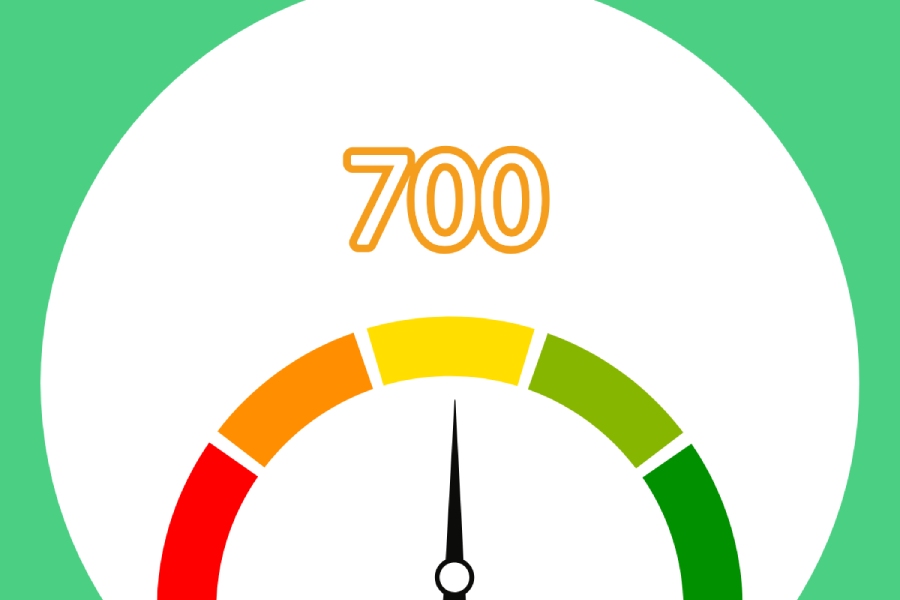
A credit score of 700 is considered “good” on most credit scoring models, such as FICO and VantageScore. This score reflects a strong credit history and responsible financial behavior, opening the door to a wide range of loan options and favorable terms. Borrowers with a 700 credit score are in an advantageous position, often qualifying for lower interest rates, higher loan amounts, and better repayment terms.
In this guide, we will explore the benefits of having a 700 credit score, the types of loans available, and tips for leveraging your score to secure the best possible financing.
What Does a 700 Credit Score Mean?
A 700 credit score is a clear indicator of creditworthiness. Lenders view borrowers in this range as low-risk candidates, which increases your chances of approval for loans and credit products. A score of 700 often results from the following financial behaviors:
- Consistently On-Time Payments: A track record of timely bill payments.
- Low Credit Utilization: Responsible use of available credit, typically below 30% of the credit limit.
- Lengthy Credit History: A long history of managing credit accounts.
- Diverse Credit Mix: A combination of revolving credit (like credit cards) and installment loans (such as car loans or mortgages).
- Few Negative Marks: Minimal or no late payments, collections, or defaults on your credit report.
While a score of 700 isn’t at the top of the scale, it positions you to access excellent financial opportunities.
Benefits of a 700 Credit Score for Loans
A 700 credit score unlocks many advantages when seeking loans:
- Lower Interest Rates: You’ll often qualify for competitive interest rates, saving money over the life of the loan.
- Higher Loan Limits: Lenders are more likely to approve higher loan amounts for borrowers with good credit.
- Favorable Terms: Longer repayment periods and more flexible terms are common for borrowers in this score range.
- More Options: A wider selection of lenders and financial products are available, including premium credit cards and low-fee loans.
- Stronger Negotiation Power: You may have leverage to negotiate better terms or benefits with lenders.
Loan Options for a 700 Credit Score
Here are the types of loans you can qualify for with a 700 credit score:
1. Personal Loans
Personal loans are a versatile option, allowing you to borrow money for purposes like debt consolidation, home improvements, or medical expenses.
- Interest Rates: Typically range from 6% to 15%, depending on the lender and loan term.
- Loan Amounts: You may qualify for amounts ranging from $5,000 to $50,000 or more.
- Top Lenders: SoFi, LightStream, and Marcus by Goldman Sachs are known for competitive rates and terms for borrowers with good credit.
2. Auto Loans
A 700 credit score makes it easier to secure financing for a vehicle, whether new or used.
- Interest Rates: Average rates for new cars can range from 3% to 7%, while used car rates may be slightly higher.
- Loan Terms: Borrowers can often secure terms of up to 72 months.
- Tips: Compare financing options from banks, credit unions, and dealership lenders to find the best deal.
3. Home Loans (Mortgages)
With a 700 credit score, you can qualify for a range of mortgage products, including conventional loans and government-backed options.
- Interest Rates: Current mortgage rates for good credit range from 5% to 7%, depending on market conditions and loan type.
- Down Payment Requirements: A 20% down payment is ideal, but some lenders may accept as little as 5% for conventional loans.
- FHA Loans: While primarily for borrowers with lower scores, FHA loans may still be an option if you’re seeking lower down payments.
4. Student Loans
Federal student loans don’t rely on credit scores for eligibility, but private student loans often do. A 700 credit score can help you secure private student loans with lower rates.
- Federal Loans: Always explore federal options first, as they offer fixed rates and flexible repayment plans.
- Private Loans: With good credit, you may qualify for rates as low as 3% for private student loans from lenders like Sallie Mae or Earnest.
5. Business Loans
If you’re an entrepreneur or small business owner, a 700 credit score can help you qualify for business loans to fund operations or growth.
- SBA Loans: Small Business Administration (SBA) loans often require good to excellent credit.
- Alternative Lenders: Online business lenders may also offer competitive terms for borrowers with a 700 credit score.
6. Credit Cards
A 700 credit score makes you eligible for premium credit cards offering benefits such as cash back, travel rewards, and low-interest introductory offers.
- Options: Cards like the Chase Sapphire Preferred, Citi Double Cash Card, or American Express Blue Cash Preferred are popular among borrowers in this score range.
- Perks: Look for cards with rewards programs, low fees, and travel insurance.
7. Debt Consolidation Loans
If you have high-interest debt, a debt consolidation loan can simplify repayment and lower your overall costs.
- Benefits: Combine multiple debts into one payment with a lower interest rate.
- Eligibility: Your 700 credit score positions you for favorable consolidation terms.
Tips for Securing the Best Loan Terms with a 700 Credit Score
- Shop Around
Compare loan offers from multiple lenders to find the best interest rates and terms. Online marketplaces like LendingTree or Credible can streamline the comparison process. - Get Prequalified
Many lenders offer prequalification, allowing you to check potential loan offers without impacting your credit score. - Negotiate
Don’t be afraid to negotiate rates or fees with lenders, especially if you have a strong financial profile. - Improve Your DTI Ratio
Lowering your debt-to-income ratio can make you a more attractive borrower and potentially unlock better terms. - Leverage Credit Unions
Credit unions often offer lower rates and more personalized service compared to traditional banks.
Risks to Avoid When Borrowing with a 700 Credit Score
Despite the advantages, borrowers with good credit should still be cautious:
- Overborrowing: Avoid taking on more debt than you can comfortably repay, even if you qualify for high loan amounts.
- Variable Rates: Be cautious with variable interest rates, which can rise over time and increase your repayment costs.
- Hidden Fees: Carefully review loan agreements for origination fees, prepayment penalties, or other hidden costs.
- Predatory Lenders: Stick to reputable lenders and avoid offers that seem too good to be true.
How to Maintain or Improve a 700 Credit Score
Your credit score is a valuable asset. To maintain or improve it, follow these tips:
- Pay Bills on Time: On-time payments account for 35% of your FICO score.
- Keep Credit Utilization Low: Aim to use no more than 30% of your available credit limit.
- Monitor Your Credit Report: Regularly check your report for errors or signs of fraud.
- Avoid New Credit Applications: Too many hard inquiries can temporarily lower your score.
- Build Credit History: Maintain older credit accounts to lengthen your credit history.
Alternatives to Loans for a 700 Credit Score
If you prefer not to borrow, consider these alternatives:
- Emergency Savings: Tap into your savings for unexpected expenses instead of taking on debt.
- Side Income: Explore freelance work or part-time jobs to meet financial needs.
- Borrow from Family or Friends: Personal loans from loved ones often come with little or no interest.
Conclusion
A 700 credit score provides significant borrowing power, allowing you to access a wide range of loans with favorable terms. Whether you need a personal loan, mortgage, auto financing, or a business loan, your good credit score opens the door to competitive interest rates, higher limits, and better repayment options.
As you explore your options, remember to shop around, compare offers, and maintain responsible financial habits to ensure your credit score remains a valuable asset. With careful planning and smart borrowing decisions, you can achieve your financial goals while minimizing costs.