
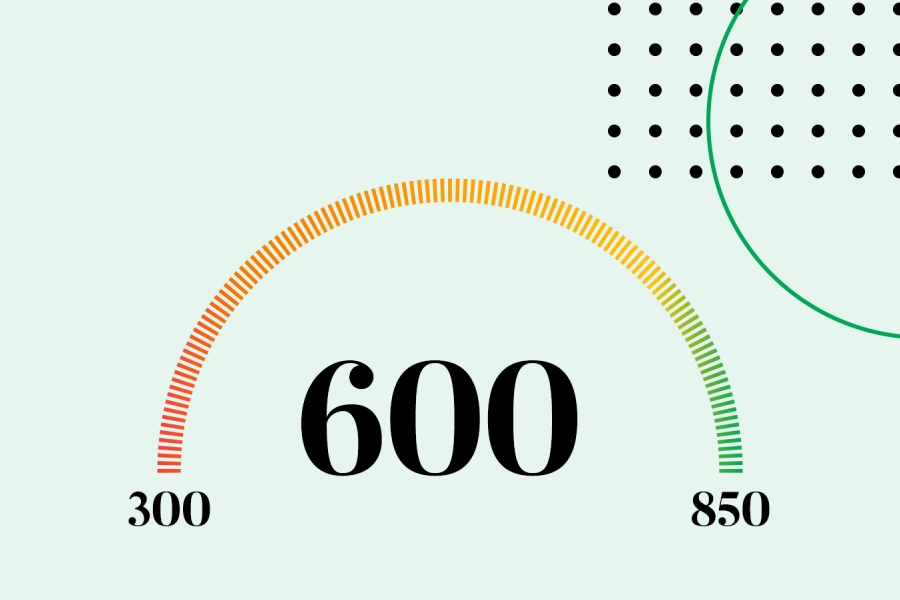
A credit score of 600 falls within the “fair” range on most credit scoring models, including FICO and VantageScore. While it is not considered a strong credit score, it opens up more borrowing opportunities compared to lower scores. If you have a 600 credit score and are exploring loan options, it’s essential to understand how this score affects your eligibility, the types of loans you can access, and the strategies to improve your financial standing.
This guide will explore loans available for individuals with a 600 credit score, the challenges involved, and actionable steps to improve your creditworthiness.
What Does a 600 Credit Score Mean?
A 600 credit score is typically categorized as “fair.” It indicates that while you may have had some financial missteps, you’re not in the “poor” or “bad” credit category. Some common reasons for a 600 credit score include:
- Missed Payments: Occasional late payments on credit accounts.
- High Credit Utilization: Using a large portion of your available credit limits.
- Limited Credit History: Insufficient length of credit history or a lack of diverse credit accounts.
- Negative Marks: Accounts sent to collections, defaults, or other adverse financial events.
Lenders often see borrowers with a 600 score as moderate risk. While you may not qualify for the lowest interest rates or the most favorable terms, loans are still accessible with some diligence and research.
How a 600 Credit Score Affects Loan Eligibility
Your credit score directly impacts key aspects of borrowing, including:
- Interest Rates: Expect interest rates that are higher than those offered to individuals with “good” or “excellent” credit scores.
- Loan Amounts: Lenders may limit the amount you can borrow to minimize their risk.
- Repayment Terms: Borrowers with fair credit may face shorter loan terms and stricter repayment schedules.
- Approval Chances: While traditional banks may be more selective, alternative lenders are often willing to work with borrowers in the 600 credit score range.
Loan Options for Borrowers with a 600 Credit Score
Here are the types of loans typically available for individuals with a fair credit score:
1. Personal Loans
Personal loans are one of the most flexible financing options and can be used for various purposes, such as consolidating debt, covering medical expenses, or making home improvements.
- Eligibility: Many online lenders, credit unions, and even some traditional banks offer personal loans to individuals with fair credit.
- Interest Rates: Rates typically range from 10% to 35% depending on the lender.
- Examples of Lenders: LendingPoint, Avant, and Upgrade are known to work with borrowers in the 600-credit-score range.
2. Auto Loans
If you’re looking to finance a vehicle, a 600 credit score is generally sufficient to qualify for an auto loan. However, your interest rate will likely be higher compared to borrowers with better credit.
- Eligibility: Many dealerships and auto lenders have options for fair credit borrowers.
- Interest Rates: Rates can range from 7% to 20%, depending on the lender and the loan term.
- Tips: Consider getting pre-approved from a lender before visiting a dealership to understand your budget.
3. FHA Home Loans
If you’re looking to buy a home, Federal Housing Administration (FHA) loans are a great option for borrowers with lower credit scores.
- Eligibility: FHA loans typically require a minimum credit score of 580, making them accessible for those with a 600 score.
- Down Payment: You can qualify for a down payment as low as 3.5%.
- Benefits: Lower credit score requirements and competitive interest rates.
4. Credit Builder Loans
Credit builder loans are designed to help improve your credit score while saving money. Borrowers make monthly payments, which are held in a secured savings account until the loan term is complete.
- Purpose: Best for improving your credit profile rather than immediate financial needs.
- Lenders: Many credit unions and online lenders offer credit builder loans.
5. Secured Loans
Secured loans require collateral, such as a savings account, vehicle, or other assets, to back the loan. These loans are less risky for lenders and may come with better terms for borrowers with fair credit.
- Examples: Secured personal loans, home equity loans, or loans against your savings.
6. Peer-to-Peer (P2P) Loans
Peer-to-peer lending platforms connect borrowers directly with individual investors. These platforms may consider factors beyond your credit score when approving a loan.
- Examples: Prosper, LendingClub.
- Benefits: Alternative approval criteria and competitive interest rates for fair credit borrowers.
7. Payday Alternative Loans (PALs)
Available through some credit unions, PALs are small-dollar loans designed to help borrowers avoid predatory payday loans.
- Eligibility: Membership with the credit union is typically required.
- Loan Amounts: Ranges from $200 to $2,000.
How to Qualify for Loans with a 600 Credit Score
To increase your chances of loan approval and secure better terms, consider the following strategies:
- Compare Lenders
Research lenders that specialize in loans for fair credit. Many online lenders and credit unions are more flexible than traditional banks. - Improve Debt-to-Income (DTI) Ratio
Lenders assess your DTI ratio to determine your ability to repay. Lowering your DTI by paying off existing debts can improve your approval chances. - Use a Co-Signer
A co-signer with a stronger credit profile can help you qualify for a loan and secure better terms. - Opt for Prequalification
Many lenders allow you to prequalify for a loan without affecting your credit score. This can give you an idea of your options before formally applying. - Offer Collateral
If possible, consider a secured loan to increase your approval chances and potentially lower your interest rate.
Risks of Taking Loans with a 600 Credit Score
While loans are accessible, borrowers with fair credit should be mindful of potential risks:
- High Costs: Interest rates for fair credit loans can be significantly higher, increasing the overall cost of borrowing.
- Limited Terms: Some lenders may impose shorter repayment periods, which can lead to higher monthly payments.
- Predatory Lenders: Be cautious of payday loans and other high-interest products that can lead to a cycle of debt.
How to Improve a 600 Credit Score
Improving your credit score can help you qualify for better loan terms and save money in the long run. Here’s how:
- Pay Bills on Time
Consistently making on-time payments is one of the most effective ways to boost your score. - Lower Credit Utilization
Aim to use less than 30% of your available credit limit. Paying down credit card balances can quickly improve your score. - Avoid Opening New Accounts
Each hard inquiry can slightly lower your score. Limit new applications while rebuilding your credit. - Check Your Credit Report
Review your credit report for errors or inaccuracies and dispute them if necessary. - Build Credit History
Consider using a secured credit card or becoming an authorized user on someone else’s account to build positive credit history. - Diversify Your Credit Mix
Having a mix of credit types, such as installment loans and revolving credit, can positively impact your score.
Alternatives to Loans for a 600 Credit Score
If borrowing isn’t the right solution, consider these alternatives:
- Borrow from Friends or Family: Loans from loved ones may come with lower or no interest.
- Emergency Assistance: Nonprofits or community programs may offer financial help.
- Negotiate with Creditors: Ask for reduced interest rates or extended payment terms.
- Earn Extra Income: Freelancing, part-time jobs, or selling unused items can provide additional funds.
Conclusion
A 600 credit score, while not ideal, doesn’t exclude you from obtaining loans. With options such as personal loans, FHA home loans, and credit builder loans, you can find solutions to meet your financial needs. However, borrowing with fair credit often comes with higher costs, so it’s essential to carefully compare lenders and loan terms.
As you explore your options, focus on improving your credit score through timely payments, reducing debt, and responsibly managing credit. Over time, these efforts will unlock better financial opportunities and reduce the cost of borrowing.