
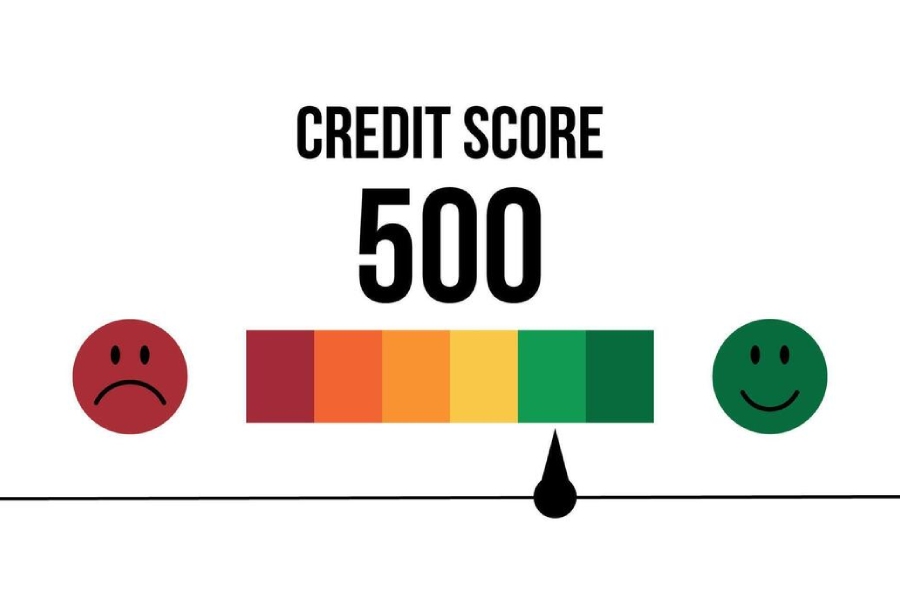
A credit score of 500, while considered poor, doesn’t have to be a barrier to securing a loan. Whether you need financing for an emergency, debt consolidation, or personal expenses, there are options available even if your credit score is on the lower end of the spectrum. However, borrowing with a credit score of 500 comes with unique challenges, including higher interest rates and limited lender options.
In this comprehensive guide, we’ll explore what a 500 credit score means, how it impacts loan eligibility, the types of loans available, and strategies to improve your credit score over time.
What Does a 500 Credit Score Mean?
Credit scores range from 300 to 850, with higher scores indicating better creditworthiness. A score of 500 is categorized as “poor” according to most credit scoring models, such as FICO and VantageScore.
A 500 credit score can result from a variety of factors, including:
- Missed or Late Payments: A history of not paying bills on time.
- High Credit Utilization: Using a large percentage of your available credit.
- Defaults or Bankruptcies: Failing to repay debts or filing for bankruptcy.
- Limited Credit History: Not having enough credit accounts or activity.
Lenders view individuals with poor credit as higher-risk borrowers, which can limit access to traditional loans and favorable terms. However, some lenders specialize in working with individuals with low credit scores.
Challenges of Borrowing with a 500 Credit Score
- High Interest Rates
Borrowers with a 500 credit score typically face higher interest rates. Lenders charge these rates to offset the risk of lending to individuals with poor credit. - Limited Loan Options
Mainstream banks and credit unions may deny loan applications, leaving borrowers to seek alternative lenders or specialized financial products. - Smaller Loan Amounts
Lenders may only approve smaller amounts to minimize their exposure to risk. - Stricter Repayment Terms
Shorter repayment periods and strict payment schedules may be imposed.
Types of Loans Available for a 500 Credit Score
Despite the challenges, there are several loan options available for individuals with a 500 credit score. Let’s explore these in detail:
1. Personal Loans for Bad Credit
Many online lenders specialize in offering personal loans to borrowers with poor credit. These loans can be used for various purposes, such as debt consolidation, medical expenses, or emergencies.
- Features: Higher interest rates and smaller loan amounts.
- Examples: Lenders like Avant, OppLoans, and OneMain Financial.
2. Payday Loans
Payday loans are short-term, high-interest loans that are easy to qualify for but come with significant financial risks.
- Pros: Fast approval and minimal credit requirements.
- Cons: Extremely high interest rates (up to 400% APR) and short repayment terms.
3. Secured Loans
Secured loans require collateral, such as a car, savings account, or other assets. These loans are less risky for lenders because the collateral can be seized if the borrower defaults.
- Examples: Auto title loans, secured personal loans.
- Risks: Loss of collateral if payments are missed.
4. Credit Builder Loans
Credit builder loans are specifically designed to help individuals improve their credit scores while saving money. Borrowers make monthly payments, which are held in a savings account until the loan term ends.
- Benefits: Improves credit history and provides savings at the end of the term.
- Drawbacks: Funds are not accessible until the loan is repaid.
5. Peer-to-Peer (P2P) Loans
P2P lending platforms connect borrowers directly with individual investors. Some platforms are willing to work with borrowers who have poor credit.
- Examples: Prosper, LendingClub.
- Features: Alternative credit assessments beyond the score.
6. Title Loans
Title loans allow you to borrow against the value of your vehicle. These loans are typically short-term and come with high interest rates.
- Requirements: Ownership of a lien-free vehicle.
- Risks: Loss of your car if you default.
How to Qualify for Loans with a 500 Credit Score
If you’re applying for a loan with a 500 credit score, consider these tips to improve your chances of approval:
- Provide Collateral
Offering an asset as collateral can make you a more attractive borrower to lenders. - Use a Co-Signer
A co-signer with a good credit score can improve your eligibility and help secure better terms. - Demonstrate Income Stability
Proof of steady income reassures lenders of your ability to make timely payments. - Shop Around for Lenders
Compare different lenders, especially those specializing in bad credit loans, to find the best terms. - Check Prequalification Options
Many online lenders allow you to check if you prequalify for a loan without affecting your credit score.
Risks of Taking Loans with a 500 Credit Score
Borrowers with poor credit should be aware of the potential pitfalls:
- High Costs
Interest rates and fees can make loans for poor credit significantly more expensive. - Debt Cycle
High-interest loans, like payday loans, can lead to a cycle of borrowing to pay off previous debts. - Impact on Credit
Missing payments or defaulting on a loan can further damage your credit score.
How to Improve Your Credit Score
Improving your credit score can open up better borrowing opportunities and save you money in the long term. Here’s how:
1. Pay Bills on Time
Your payment history accounts for 35% of your credit score. Set up automatic payments or reminders to avoid late payments.
2. Reduce Credit Card Balances
Aim to use less than 30% of your credit limit to improve your credit utilization ratio.
3. Avoid Applying for New Credit
Each hard inquiry lowers your score slightly. Limit new credit applications while rebuilding your score.
4. Check Your Credit Report
Review your credit report for errors and dispute any inaccuracies.
5. Use a Secured Credit Card
Secured credit cards are easier to obtain and can help you build a positive credit history.
6. Work with a Credit Counselor
A credit counselor can help you create a plan to manage your debts and improve your credit score.
Alternatives to Loans for a 500 Credit Score
If loan options are too costly or inaccessible, consider these alternatives:
- Borrow from Family or Friends
Loans from loved ones may come with lower or no interest, but ensure clear terms to avoid conflicts. - Emergency Assistance Programs
Nonprofits and community organizations may offer financial aid for specific needs. - Side Hustles
Consider taking on part-time work or freelance opportunities to cover your expenses without borrowing. - Debt Negotiation
Contact creditors to discuss lower interest rates or extended repayment terms.
Conclusion
While a 500 credit score can make borrowing more challenging, it’s not impossible to find loan options. Specialized lenders, secured loans, and credit builder loans provide avenues for those with poor credit to access funds. However, it’s essential to proceed cautiously and weigh the costs and risks involved.
Focus on improving your credit score for better financial opportunities in the future. By paying bills on time, reducing debt, and making smart financial decisions, you can move toward a healthier credit profile and more favorable loan terms. Always prioritize loans that fit your budget and repayment capacity to avoid falling into deeper financial trouble.