
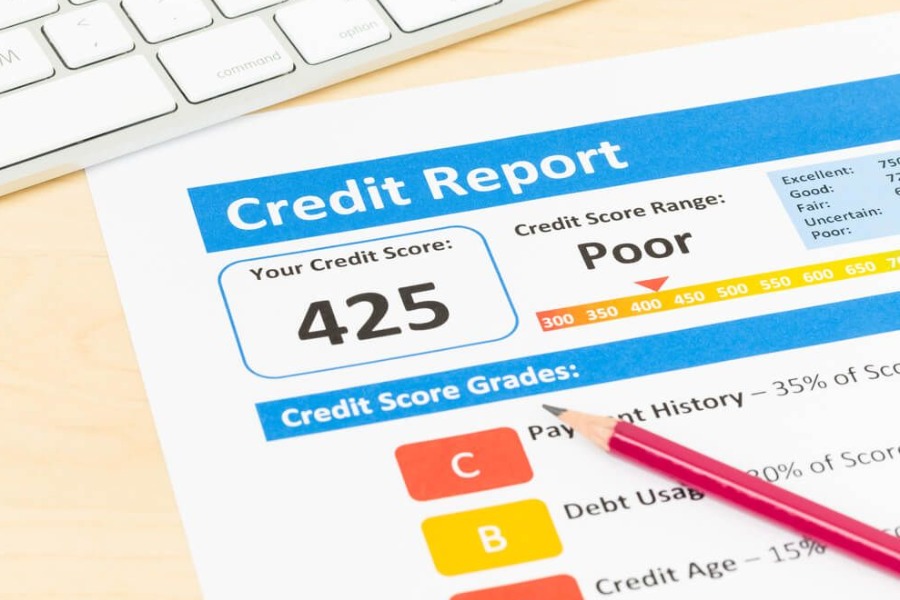
A credit score of 400 is considered very poor by most credit reporting agencies, making it challenging to qualify for traditional loans. However, having a low credit score doesn’t mean you’re out of options. There are lenders and financial products designed to cater to individuals with poor credit, but these loans often come with higher interest rates and stricter terms. This guide will explain what a 400 credit score means, how it impacts your loan eligibility, and the types of loans available for individuals with low credit scores. We’ll also explore strategies to improve your credit score and make smarter borrowing decisions.
What Does a 400 Credit Score Mean?
A credit score ranges from 300 to 850, with higher scores indicating better creditworthiness. A 400 credit score falls into the “very poor” category, which signals to lenders that you are a high-risk borrower. This low score can result from factors such as:
- Missed or late payments on credit cards or loans.
- High credit utilization rates.
- Defaulting on loans or filing for bankruptcy.
- Limited or no credit history.
Since a credit score of 400 indicates significant financial struggles or a lack of credit management, many traditional lenders, such as banks and credit unions, may deny your loan applications.
Challenges of Borrowing with a 400 Credit Score
- Higher Interest Rates: Lenders compensate for the higher risk by charging exorbitant interest rates. This can make your loan significantly more expensive over time.
- Limited Loan Options: Many mainstream financial institutions require a minimum credit score of 600 or higher, so your choices may be limited to specialized or subprime lenders.
- Smaller Loan Amounts: Lenders may only approve small loan amounts to mitigate their risk.
- Stricter Repayment Terms: Shorter repayment periods and rigid payment schedules may apply, putting additional financial pressure on borrowers.
Types of Loans Available for a 400 Credit Score
Despite the challenges, individuals with a 400 credit score still have access to certain loan options:
1. Personal Loans for Bad Credit
Some online and alternative lenders specialize in offering personal loans to individuals with bad credit. These loans can be used for various purposes, such as consolidating debt, covering emergency expenses, or financing a major purchase.
- Features: Higher interest rates, smaller loan amounts, and shorter repayment terms.
- Lenders: Look for online lenders that cater to bad credit borrowers, such as Avant, OppLoans, or OneMain Financial.
2. Payday Loans
Payday loans are short-term, high-interest loans designed for quick access to cash. These loans are typically due on your next payday.
- Pros: Easy to qualify for, even with a very low credit score.
- Cons: Extremely high interest rates (sometimes exceeding 400% APR) and short repayment terms make these loans risky.
3. Secured Loans
Secured loans require collateral, such as a vehicle, savings account, or other assets, to back the loan. Lenders may be more willing to work with you if you provide collateral.
- Examples: Auto title loans or secured personal loans.
- Risk: If you fail to repay the loan, the lender can seize your collateral.
4. Credit Builder Loans
Credit builder loans are designed to help individuals improve their credit scores while saving money. These loans work by requiring you to make monthly payments, which are deposited into a savings account. Once the loan term is over, you gain access to the funds.
- Pros: Helps build credit history and improve your credit score.
- Cons: You won’t have immediate access to the loan funds.
5. Peer-to-Peer Loans
Peer-to-peer (P2P) lending platforms connect borrowers directly with individual investors. Some platforms cater to borrowers with poor credit by assessing alternative financial factors beyond credit scores.
- Examples: Platforms like Prosper and LendingClub may offer loans to individuals with bad credit.
- Note: Approval may vary based on the platform’s risk tolerance.
How to Qualify for Loans with a 400 Credit Score
- Provide Collateral: Offering collateral can increase your chances of approval by reducing the lender’s risk.
- Get a Co-Signer: A co-signer with good credit can improve your eligibility and may help secure better loan terms.
- Demonstrate Steady Income: Proving that you have a stable and sufficient income can make lenders more confident in your ability to repay the loan.
- Explore Alternative Lenders: Traditional banks may deny your application, but online lenders and credit unions may have more flexible requirements.
- Check Prequalification Options: Some lenders offer prequalification processes that won’t impact your credit score and can give you an idea of your approval odds.
Risks and Considerations of 400 Credit Score Loans
Before taking out a loan with a 400 credit score, it’s crucial to weigh the potential risks:
- High-Interest Costs: A loan with high interest rates can lead to significant financial strain, especially if payments are missed.
- Risk of Debt Cycle: High-interest loans, like payday loans, can trap borrowers in a cycle of debt.
- Impact on Credit: Late payments or defaulting on a loan can further damage your already low credit score.
How to Improve a 400 Credit Score
If possible, focus on improving your credit score before taking out a loan. While it may take time, even small improvements can make a big difference in the loan terms you qualify for. Here are steps to rebuild your credit:
1. Check Your Credit Report
Request your free credit report from major credit bureaus (Experian, Equifax, and TransUnion) and review it for errors or inaccuracies. Dispute any incorrect information that may be dragging down your score.
2. Pay Bills on Time
Your payment history accounts for 35% of your credit score. Consistently making on-time payments can significantly boost your credit over time.
3. Reduce Credit Card Balances
High credit utilization negatively impacts your score. Aim to keep your credit utilization below 30%.
4. Avoid New Credit Applications
Each hard inquiry lowers your credit score slightly. Minimize loan and credit card applications until your score improves.
5. Consider a Secured Credit Card
Secured credit cards require a deposit and are easier to qualify for with poor credit. Use them responsibly to rebuild your credit.
6. Work with a Credit Counselor
A reputable credit counseling agency can help you create a debt management plan and offer advice on improving your credit score.
Alternatives to Loans for a 400 Credit Score
If you’re unable to qualify for a loan or the available options are too expensive, consider these alternatives:
- Borrow from Family or Friends: Personal loans from loved ones can be more flexible and affordable, though they require clear terms to avoid conflicts.
- Negotiate with Creditors: If you’re struggling with existing debt, contact your creditors to explore options like reduced interest rates or extended repayment terms.
- Side Hustles and Extra Income: Boost your income through part-time jobs, freelancing, or selling unused items to meet your financial needs without borrowing.
- Local Assistance Programs: Nonprofits and community organizations may offer financial aid or assistance for emergencies.
Conclusion
Securing a loan with a 400 credit score is challenging, but it’s not impossible. By understanding the types of loans available, being aware of the risks, and taking steps to improve your credit score, you can navigate this difficult financial situation. While loans for poor credit often come with higher costs, they can provide a short-term solution in emergencies or when no other options are available. However, it’s important to use these loans responsibly and focus on rebuilding your credit to access better financial opportunities in the future.
Always weigh your options carefully and seek advice from a financial professional if you’re unsure of the best course of action. With persistence and financial discipline, you can work your way toward better credit and greater financial stability.